
Introduction: Importance of Proper Care for Soccer Jerseys
Soccer is a sport cherished by millions around the globe, and for many players, their jerseys represent not just their favorite teams but also their passion and identity. Proper care and maintenance of these jerseys are crucial to uphold their quality, vibrancy, and fit. Washing a soccer jersey may seem straightforward, but a lack of understanding regarding the proper methods can lead to adverse effects such as fading colors, fabric damage, or even shrinking. Thus, knowing how to wash a soccer jersey without damaging it is essential for every soccer enthusiast.
Frequently, players or fans may toss their jerseys into a washing machine without considering specific fabric care instructions, which often results in irreversible damage. Different types of jerseys are crafted from various materials, each requiring tailored washing techniques. For instance, polyester jerseys tend to retain their shape better than cotton. However, if washed improperly, the fabric can still suffer from pilling, stretching, or loss of color. The same applies if harsh detergents are used, which can strip the jersey of its printing and overall sheen.
In addition to preserving the vibrant colors and unique designs of soccer jerseys, learning the right washing techniques contributes to enhancing the longevity of these garments. Regular care not only keeps your jersey looking fresh but also maintains its fit and comfort, ensuring that players can perform at their best without distractions from ill-fitting apparel. By understanding the significance of proper care and learning how to wash a soccer jersey without damaging it, you can continue to showcase your support for your favorite team in style.
Understanding the Fabric of Soccer Jerseys
Soccer jerseys are typically made from synthetic materials like polyester and nylon, materials chosen for their durability and ability to wick moisture away from the skin. Polyester is particularly prevalent due to its lightweight nature and resistance to stretching, shrinking, and fading. Nylon, on the other hand, is often blended with polyester or used alone in some high-quality jerseys for its excellent strength and elasticity. Understanding the specific fabric composition of your jersey is crucial when considering how to wash a soccer jersey without damaging it.
The unique properties of these materials mandate that one must adopt careful washing techniques to maintain the jersey’s integrity. For example, while it may be tempting to toss the jersey into a typical wash cycle, this can lead to premature wear, color fading, or loss of elasticity. Instead, a gentle wash cycle with cold water is advisable to help preserve the fabric’s durability. Likewise, using a mild detergent specifically designed for synthetic fabrics can prevent any harsh chemicals from deteriorating the material.
It’s also important to note that high heat can significantly affect these fabrics. Drying your soccer jersey on a high setting can lead to shrinkage or damage to the jersey’s design elements, such as printed names and numbers. Air drying is the preferred method, allowing the jersey to maintain its shape and graphics without exposure to harmful heat. By familiarizing yourself with the fabric makeup of your soccer jersey and applying the proper washing techniques, you can effectively learn how to wash a soccer jersey without damaging it, extending its lifespan and maintaining its athletic appearance.
Pre-Washing Preparations: First Steps Before Washing
Before learning how to wash a soccer jersey without damaging it, proper pre-washing preparations are crucial to maintain the jersey’s quality and appearance. The first step is to always check the care label attached to the garment. These labels provide important information regarding the recommended washing temperature, drying methods, and any specific instructions suitable for the particular fabric.
Another essential preparation is removing excess dirt and debris from the jersey. This can be done gently shaking the item to dislodge any loose particles. For jerseys that have accumulated significant dirt, especially after a game, a soft brush or cloth can be employed to gently scrub away any stubborn dirt without damaging the fabric.
If the jersey has visible stains, it’s advisable to treat them before washing. Spot cleaning should be carried out using a stain remover that is safe for the material. Apply a small amount directly onto the stained area, let it sit for the recommended duration, and then gently dab the stained area with a damp cloth to lift the stain. This will significantly enhance the effectiveness of the washing process.
Furthermore, turning the jersey inside out before washing serves as a protective measure for printed logos and designs. By placing the inside of the jersey facing outwards, the risk of abrasion and fading due to agitation during the washing cycle is substantially reduced. It will also help in preserving the jersey’s colors longer, thus contributing to its overall longevity.
Choosing the Right Washing Method: Hand Wash vs. Machine Wash
When it comes to maintaining the quality and longevity of your soccer jersey, the washing method you choose plays a crucial role. Both hand washing and machine washing have their advantages and disadvantages, making it essential to select the appropriate technique based on the fabric and condition of the jersey.
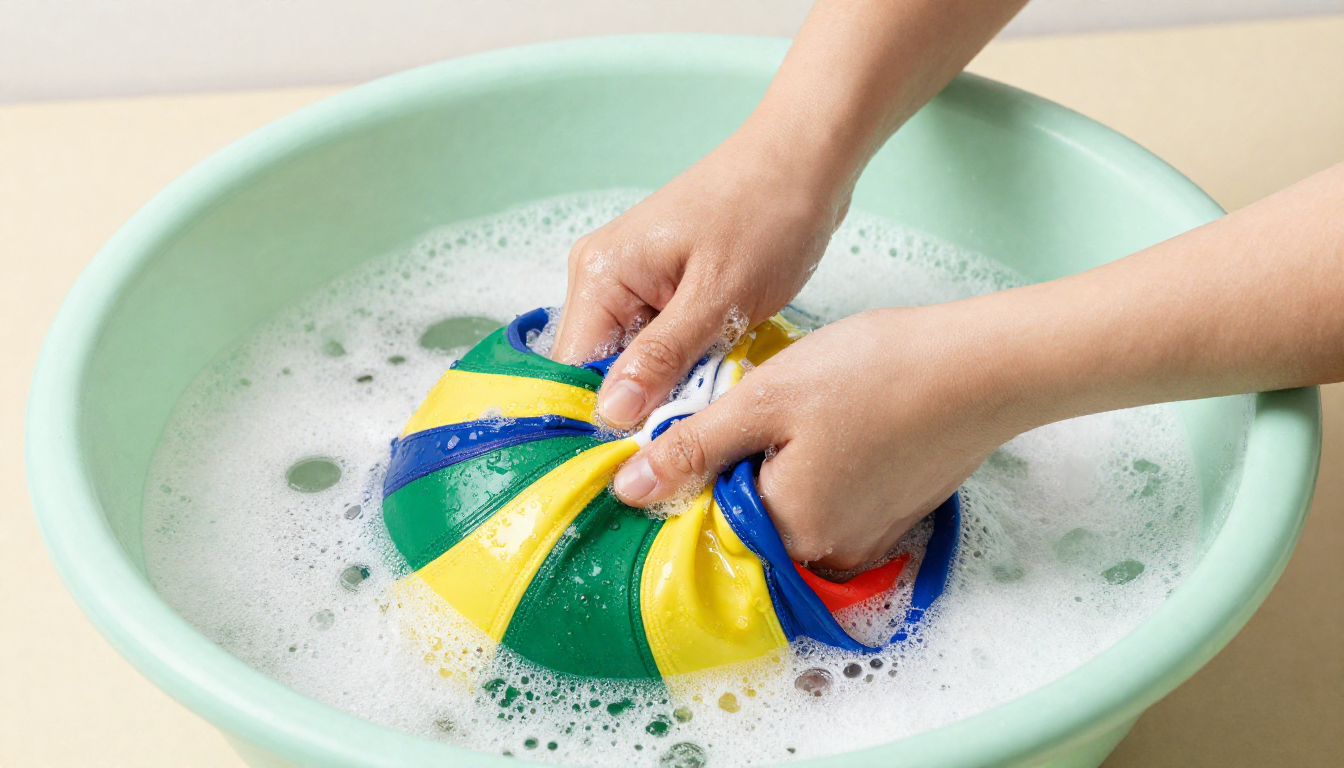
Hand washing is generally considered the gentlest method of cleaning. This technique allows for greater control, significantly reducing the risk of damaging the fabric or altering the jersey’s fit. If your soccer jersey is made from delicate materials, such as polyester blends, or if it features intricate designs and embellishments, hand washing is the ideal choice. To effectively hand wash your jersey, fill a basin with lukewarm water and a small amount of mild detergent. Gently agitate the water to create suds, then submerge the jersey, carefully working to lift dirt and grime. After rinsing thoroughly, avoid wringing the jersey, as this can cause stretching or deformation.
On the other hand, machine washing is often more convenient for heavily soiled jerseys or when cleaning multiple items simultaneously. Modern washing machines typically come with various settings that can cater to delicate fabrics. When opting for machine washing, ensure that your jersey is turned inside out to protect any prints or designs. Utilize a gentle cycle with cold water and a mild detergent, which helps to preserve the fabric while eliminating dirt efficiently. It is advisable to place the jersey in a mesh laundry bag to further minimize the risk of damage during the wash cycle.
Ultimately, the choice between hand washing and machine washing depends on the specific fabric of your soccer jersey and how dirty it is. A careful assessment will lead to better outcomes, ensuring your jersey remains in peak condition for many matches to come.
Water Temperature and Detergent Selection
When it comes to understanding how to wash a soccer jersey without damaging it, selecting the appropriate water temperature and detergent is paramount. The ideal temperature for washing soccer jerseys is typically cold or warm water. Cold water is especially beneficial as it helps to maintain the integrity of the synthetic materials commonly used in these jerseys, preventing shrinkage and warping. Warm water can be used for more robust cleaning; however, it is advisable to keep it below 40 degrees Celsius to minimize the risk of damage.
Choosing the right detergent is equally crucial. Sport-specific detergents are highly recommended, as they are designed to be gentle on synthetic fabrics without causing fading or wear. Such detergents effectively remove stains and odors, allowing the fabric’s breathability and color to remain intact. Avoid using bleach or fabric softeners, as these can cause irreversible damage to the jersey’s material and printing.
It is prudent to check the manufacturer’s label for specific washing instructions, as some jerseys may have unique care requirements. Additionally, using a gentle cycle while washing can help ensure that the jersey is not subjected to excessive agitation, which can lead to fabric damage. Ensuring that the washing machine is not overloaded can also provide a more effective wash without compromising the jersey’s fit and condition. For those seeking the best results, it is beneficial to wash jerseys inside out, as this reduces the risk of fading and protects printed names and numbers. In conclusion, paying attention to water temperature and selecting the right detergent are essential steps in washing a soccer jersey without damaging it.
Washing Instructions: Step-by-Step Guide
Maintaining the quality of your soccer jersey is essential for its longevity and performance. Learning how to wash a soccer jersey without damaging it is crucial, whether you choose to hand wash or machine wash. Below is a detailed, step-by-step guide for both methods.
Hand Washing Technique
1. Start by filling a clean basin or a sink with lukewarm water, ensuring the water is not too hot, as high temperatures can cause colors to fade.
2. Add a small amount of mild detergent, which is safe for delicates, into the water, stirring it gently to create a soapy solution.
3. Submerge the soccer jersey in the water, gently swirling it to allow the detergent to penetrate the fabric. Avoid scrubbing or twisting the jersey to prevent stretching or tearing.
4. Allow the jersey to soak for about 10 to 15 minutes, allowing any dirt or stains to loosen. After soaking, gently lift the jersey out of the water.
5. Rinse the jersey thoroughly under cool running water until all soap residues are removed. It is important to ensure no detergent remains, as it can damage the fabric over time.
6. Gently press the water out of the jersey, but do not wring it out. Instead, lay it flat on a clean towel, roll it up to absorb excess water, and then let it air dry out of direct sunlight.
Machine Washing Technique
1. For machine washing, start by turning the jersey inside out to protect any logos and numbers from potential damage.
2. Place the jersey in a mesh laundry bag to prevent it from tangling or getting stretched during the wash cycle.
3. Select a gentle cycle on your washing machine and set the temperature to cold or lukewarm. This helps to minimize fading and fabric wear.
4. Use a mild detergent specifically designed for delicate fabrics to ensure a clean wash without compromising quality.
5. Avoid using fabric softeners, as they can leave a residue that affects the jersey’s moisture-wicking properties.
6. Once the cycle is complete, remove the jersey from the mesh bag and lay it flat to dry, ensuring it is kept away from sunlight to prevent color fading.
By following these steps, you can effectively wash your soccer jersey, preserving its condition and appearance for many matches to come.
Avoiding Common Mistakes When Washing Your Soccer Jersey
To maintain the integrity and appearance of your soccer jersey, it is essential to be mindful of common washing mistakes that can lead to significant damage. One of the most critical practices to avoid is the use of bleach. While bleach can effectively eliminate stains on many fabrics, it can also compromise the synthetic fibers commonly used in soccer jerseys. Instead of bleach, consider using a mild detergent that is specifically formulated for athletic wear.
Another mistake is opting for high spin cycles during the washing process. While a high spin cycle may seem effective at expediting the drying process, it can cause stretching and tearing in the fabric, particularly if the jersey is made from lightweight materials. It is advisable to use a gentle cycle that minimizes agitation and reduces the risk of damage to the fibers.
Additionally, placing soccer jerseys in the dryer should be avoided. The heat from the dryer can warp the fabric and alter the jersey’s fit, particularly around the collar and sleeves. Instead of machine drying, you can implement effective air-drying methods. Hang your jersey on a clothesline or a drying rack, ensuring it is well-ventilated. If possible, lay the jersey flat to dry, as this will help maintain its shape and prevent any stretching caused by hanging.
By steering clear of these common errors—such as using bleach, high spin cycles, and dryers—you can protect your soccer jersey from wear and tear, ensuring it remains in pristine condition for many games to come. Following these guidelines is paramount to learning how to wash a soccer jersey without damaging it, preserving the vibrant colors and the overall quality of the fabric.
Post-Wash Care: Keeping Your Jersey in Top Shape
After successfully washing your soccer jersey utilizing the correct methods, it is paramount to handle post-wash care effectively to prolong its life and maintain its aesthetics. To avoid wrinkling, hang your jersey on a padded hanger or lay it flat on a clean towel to dry. Avoid direct sunlight, as it can fade the vibrant colors and weaken the fabric. By using these drying methods, you ensure that your jersey retains its shape and visual appeal.
When storing your soccer jersey, choose a cool, dry place, ideally in a garment bag or a drawer lined with acid-free tissue paper. This prevents dust accumulation and shields the colors from fading. It is advisable to avoid folding the jersey to minimize creasing, as well as keeping it away from harsh environments that could affect its material.
If your jersey sustains any minor damages, such as loose threads or small tears, those should be addressed promptly to prevent further damage. For minor repairs, you can use fabric glue or a needle and thread if you have the knowledge to sew. Ensuring these repairs are handled swiftly will keep your jersey looking fresh and can save you from costly replacements down the line.
Another important tip is to refrain from using fabric softeners or bleach on your jersey. These chemicals can considerably damage the special materials used in modern sportswear. Instead, opt for a gentle detergent designed specifically for technical fabrics. By following these care guidelines, you will understand how to wash a soccer jersey without damaging it and protect your investment in your favorite team’s gear.
Conclusion: The Value of Caring for Your Soccer Jersey
Taking pride in the maintenance of your soccer jersey is paramount, as it reflects not only your commitment to the sport but also your respect for the teamwork and dedication it symbolizes. Understanding how to wash a soccer jersey without damaging it is essential to ensure that it retains its quality and durability over time. This practice not only protects your investment in the merchandise but also enhances your overall sporting experience.
Following the outlined washing procedures—such as using a gentle cycle, selecting the appropriate detergent, and avoiding harsh chemicals—contributes significantly to preserving the fabric and the colors of your jersey. Additionally, air-drying your jersey rather than utilizing a dryer is an important step that further safeguards against potential shrinkage and damage. These careful considerations can help extend the lifespan of your jersey, allowing you to wear it proudly during countless games.
Caring for your soccer jersey is more than a task; it is a sign of your dedication as a player and a supporter of your team. Each wash can be a reaffirmation of your spirit and passion for the game. By implementing these best practices, you can ensure that your jersey remains a vibrant and comfortable garment, reflecting your love for soccer. Ultimately, remember that proper care not only preserves the jersey itself but also embodies the values of diligence and respect that are so inherent in sportsmanship.
Also read ronaldojersey.co.uk
Email: johanharwen314@gmail.com
Author Name: Johan Harwen