
Introduction to Soccer Jersey Care
Soccer jerseys, particularly those in vibrant and pristine white, are a staple in any athlete’s wardrobe. However, the nature of the sport involves a high risk of stains from various sources, such as grass, mud, and sweat. These stains not only affect the appearance of the jersey but can also become permanent if not addressed promptly and effectively. Proper care for white soccer jerseys is essential for maintaining their color and longevity, allowing players to focus on their game rather than worrying about their gear.
During gameplay or practice, jerseys are often subjected to tough conditions. Common stains include those from grass, which can leave behind a greenish hue, and mud that can dry and set into the fabric. Additionally, sweat can create discoloration over time, leading to an unappealing appearance. Understanding these common types of stains will assist in establishing a cleaning routine that can effectively address and prevent disfigurement of white jerseys.
Cleaning these uniforms not only enhances their aesthetic appeal but also extends their lifespan, ensuring they continue to perform well without compromising their quality. Regular maintenance can include immediate washing after games, using the appropriate cleaning agents, and following care instructions specific to the jersey’s fabric. With the right approach on how to clean stains from a white soccer jersey, players can uphold their jerseys’ appearance while also contributing to the overall team spirit.
Therefore, gaining knowledge on how to maintain and care for white soccer jerseys is crucial not just for the personal pride of the athlete, but also for fostering a sense of team identity. As we delve deeper into specific techniques and products that can effectively clean jerseys, we will explore actionable tips that cater to the unique needs of white soccer jersey care.
Understanding the Composition of Your Jersey
White soccer jerseys are typically constructed from a blend of synthetic fabrics, primarily polyester and nylon, which offer breathability, durability, and moisture-wicking properties. Polyester is favored for its lightweight nature and resistance to shrinking, while nylon adds strength and elasticity. These materials, however, require specific care to maintain their integrity and appearance, especially when dealing with tough stains.
The choice of fabric in soccer jerseys underscores the importance of understanding how to clean stains from a white soccer jersey. Traditional cleaning methods may not be suitable, as the chemicals in some cleaners can cause discoloration or degradation of the fabric. For instance, chlorine bleach, while effective for whitening, can weaken the fibers and lead to fabric deterioration over time.
When tackling stains on a white soccer jersey, it is crucial to consider the type of stain. Common culprits include grass, mud, and sweat, all of which require different cleaning approaches. Knowing your jersey’s fabric composition will help you select a stain remover that effectively targets these blemishes without damaging the fabric. Opt for enzyme-based stains to break down organic matter or oxygen bleach for a gentle whitening effect.
Furthermore, washing your jersey in cold water is generally recommended, as hot water can set stains, making them difficult to remove. Be sure to turn the jersey inside out before washing to protect the outer layer from friction with other clothing items. Selecting the right detergent is also critical; a mild, color-safe option is advisable to maintain the jersey’s brightness while preventing fabric wear.
Immediate Steps to Take After Staining
When you notice a stain on your white soccer jersey, the immediate response is crucial to successfully removing the blemish without leaving marks. The sooner you act, the better chance you have of getting your jersey back to its pristine condition. Here are essential steps to take right after spotting the stain.
First, quickly assess the type of stain that has appeared on your jersey. Common culprits include grass, mud, or food substances. Understanding the nature of the stain helps in deciding the most effective cleaning method. After identification, respond without delay. If possible, gently blot the stain with a clean, dry cloth or paper towel to absorb any excess material without rubbing the stain further into the fabric.
Next, rinse the stained area under cold, running water for several minutes. This technique can be effective for water-soluble stains, diluting them before they have a chance to set in. Ensure you rinse from the backside of the fabric to help push the stain out rather than further into the fibers of the jersey.
If rinsing is insufficient, prepare a solution using mild detergent mixed with cold water. Apply this solution directly to the stained area, using your fingers or a soft cloth to gently work it into the fabric. It’s essential to avoid harsh chemicals, as these can damage the delicate fibers of the jersey. After applying the solution, let it sit for a brief period—approximately 5 to 10 minutes—but do not allow it to dry.
Once the time is up, rinse the area again to remove both the detergent and the loosened stain. After completing these immediate steps, it is advisable to launder the jersey as per the care instructions on the label. Addressing stains promptly can greatly enhance the likelihood of maintaining your white soccer jersey in excellent condition.
Pre-Treatment Solutions for Different Stains
When it comes to maintaining the allure of a white soccer jersey, addressing stains swiftly and effectively is vital. Different types of stains require tailored pre-treatment approaches to yield the best results. Below, we outline several common stains and their respective pre-treatment solutions.
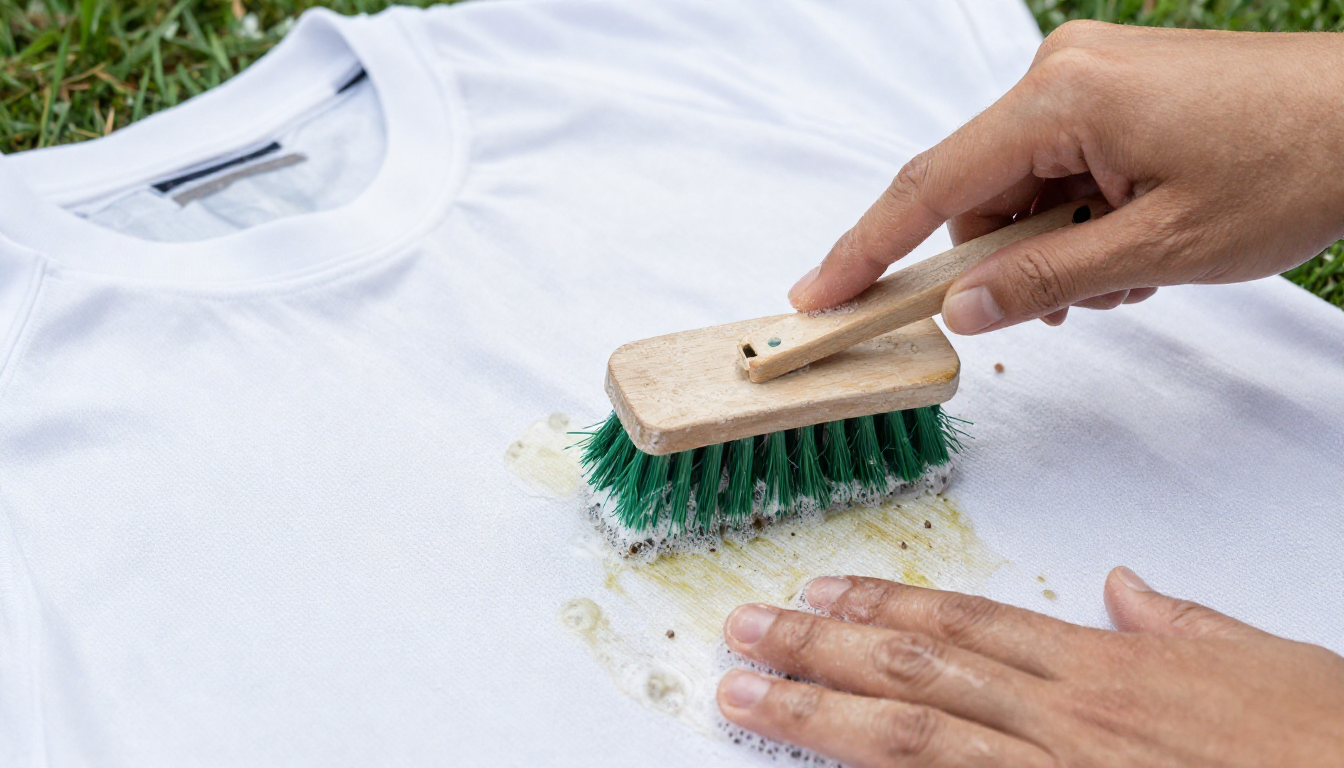
Grass Stains: Grass stains can be stubborn, owing to the chlorophyll and proteins in the grass. To treat this type of stain, mix 1 tablespoon of liquid laundry detergent with 2 cups of warm water. Apply the mixture directly onto the stain and gently rub it using a soft-bristled brush or cloth. Allow the solution to sit for 15-30 minutes before washing.
Mud Stains: When mud dries on fabric, it can become difficult to remove. Begin by letting the mud dry completely. Once dry, gently scrape off any excess mud using a blunt knife. Follow this by mixing equal parts white vinegar and water. Dampen a cloth with this solution and blot the stained area to help lift the stain. Allow it to soak for about 10 minutes before rinsing with cold water.
Sweat Stains: Sweat stains often manifest under the arms and can leave a yellow mark on white fabric. To remove these stains, create a paste of baking soda and water. Apply the paste to the stained area and let it sit for at least 30 minutes. Afterward, rinse with cold water and launder as usual.
Food Stains: Food stains vary widely, but a general approach can be effective. For greasy food stains, sprinkle cornstarch or baby powder on the stain to absorb the oil. Let it sit for approximately 15 minutes, then brush off the powder. Follow up with a mixture of dish soap and water, applying it to the stain and letting it sit for 10 minutes before washing.
Whether you are dealing with grass, mud, sweat, or food stains, these pre-treatment steps will enhance your ability to clean stains from a white soccer jersey effectively. This proactive approach can significantly prolong the lifespan of your beloved jersey, ensuring it remains in good condition for many games to come.
Choosing the Right Detergent
When it comes to cleaning stains from a white soccer jersey, the choice of laundry detergent plays a crucial role in achieving optimal results. Different types of detergents exist, each catering to various cleaning needs, thus it is essential to select the most suitable option for effectively removing stains without compromising the integrity of the fabric.
First, consider scent-free detergents, which are ideal for individuals with sensitive skin. They provide a gentle yet efficient cleaning action, targeting dirt and stains without the addition of potentially irritating fragrances. This type of detergent can be particularly beneficial when washing jerseys frequently, as it minimizes the risk of skin irritations associated with residual chemicals.
Next, bleach-free detergents come highly recommended for cleaning white garments. Bleach can weaken fabric fibers over time and lead to discoloration, particularly on synthetic materials commonly used in soccer jerseys. Bleach-free formulas effectively tackle stains while preserving the brightness of the jersey. With alternatives available that include color-safe oxygen bleach, one can be assured that their white jersey remains pristine, even after multiple washes.
Additionally, enzyme-linked detergents operate using naturally occurring enzymes to break down stains, making them particularly effective for protein-based stains, such as grass or sweat. The enzymes actively work to digest the components of the stains, resulting in a thorough and effective cleaning process. This is beneficial for soccer jerseys, as they often encounter tough stains during play.
In conclusion, the strategic selection of detergent is paramount for anyone looking to clean stains from a white soccer jersey. By opting for a scent-free, bleach-free, or enzyme-linked detergent, one can ensure that their jersey stays clean, bright, and looking new for many matches to come.
Washing Instructions for White Soccer Jerseys
Maintaining the pristine appearance of a white soccer jersey requires proper washing techniques to avoid discoloration and stains. To begin, it is essential to read the care label on your jersey for any specific instructions from the manufacturer. Typically, these jerseys are made of synthetic fibers that can require special handling.
The first step in the washing process is to pre-treat any visible stains to ensure effective cleaning. You can use a stain remover spray or gel; simply apply it directly to the stained area and let it sit for at least 5 to 10 minutes before proceeding. This will enhance the stain removal process when washing. Additionally, it is advisable to turn the jersey inside out to protect the fabric’s outer surface during the wash.
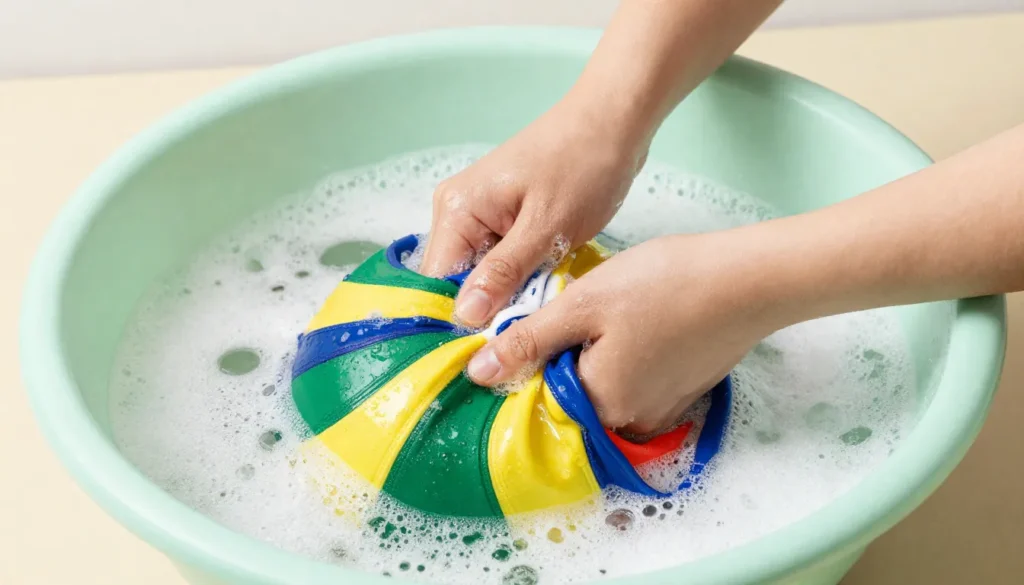
When it comes to water temperature, using cold or lukewarm water is recommended, as hot water can set stains and may cause the fabric to fade. Set your washing machine to a gentle or delicate cycle, as this will be conducive to maintaining the structural integrity of the jersey. Using a mild detergent that is free from bleach will help in preserving the bright color of your white soccer jersey.
After the cycle finishes, refrain from using a dryer, as high heat can weaken the fibers and potentially cause discoloration. Instead, hang the jersey to air dry in a shaded area away from direct sunlight, as prolonged exposure to sunlight can also lead to fading. If you want to maintain that crisp white hue, consider adding a fabric brightener during the wash. This will not only clean but also help to restore the vibrancy of the jersey.
Drying and Ironing Tips
Once you have successfully treated the stains on your white soccer jersey, the drying and ironing process becomes crucial to preserving its quality. The choice between air drying and machine drying can significantly impact your jersey’s longevity. For best results, air drying is often recommended. This method eliminates the risk of shrinkage and prevents any potential damage caused by high heat settings in a dryer. To air dry, hang the jersey in a well-ventilated area, ensuring it is not exposed to direct sunlight, which may cause fading over time.
However, if you choose to use a machine dryer, set it to a low heat setting to mitigate the risk of fabric damage. It is advisable to remove the jersey from the dryer while it is still slightly damp, allowing it to finish drying in the air. This technique helps maintain the jersey’s shape while preventing excessive wrinkles.
When it comes time to iron your white soccer jersey, caution is necessary to avoid damaging the delicate jersey fabric. First, ensure that the jersey is turned inside out; this will protect the outer surface from any direct heat. It is best to use a low heat setting on your iron, and avoid using steam, as this can create water stains on the fabric. Instead, simply glide the iron gently over the surface, starting with the collar and working your way down to the body. Special attention should be given to areas around logos or prints, as these may be susceptible to heat damage.
Following these drying and ironing tips will ensure your jersey remains in pristine condition, further prolonging its life and appearance on the field.
Long-Term Stain Prevention Tips
Keeping a white soccer jersey pristine requires proactive measures to prevent stains before they happen. There are several strategies that players and fans alike can adopt to mitigate the risk of marking their garments during gameplay or while supporting their team.
One effective method is to apply a stain repellent treatment to the white soccer jersey prior to its use. These treatments create a shield over the fabric, making it more resistant to dirt, grass, and other staining agents. Many fabric protectors are available commercially and can be easily sprayed on the jersey, but be sure to follow the manufacturer’s instructions when applying these solutions.
In addition to treatments, the choice of clothing worn underneath the soccer jersey can also aid in stain prevention. For instance, wearing moisture-wicking undergarments can help manage sweat and prevent the jersey from becoming overly soiled around the neck and underarm areas. Furthermore, using socks that match the jersey’s color can distract from visible stains that may occur during intense match play.
Awareness during gameplay plays a crucial role in stain prevention. Players should be mindful of their surroundings, avoiding contact with muddy surfaces or rough materials that can lead to stains. Moreover, taking care when handling food and drinks on the sidelines will minimize the chances of spills or splatters marring the jersey’s white fabric. Using designated areas for these activities further reduces potential exposure to staining substances.
By incorporating these long-term strategies—applying protective treatments, selecting appropriate clothing, and exercising awareness during play—soccer enthusiasts can effectively reduce the likelihood of stains, thereby prolonging the life and aesthetic appearance of their white soccer jerseys.
Conclusion and Final Thoughts
Maintaining the pristine appearance of a white soccer jersey is crucial for both aesthetic and performance reasons. White jerseys, in particular, are prone to stains from mud, grass, and sweat, which can detract from their overall look and feel. To ensure longevity and continued use, it is essential to understand how to clean stains from a white soccer jersey properly. By following the appropriate cleaning techniques and using recommended detergents, soccer enthusiasts can effectively preserve their jerseys.
Moreover, understanding the fabric composition plays a vital role in the cleaning process. Different materials may require specific care instructions, and being aware of these can prevent damage during washing. Pre-treating stains, washing jerseys in cold water, and air drying are best practices that can significantly enhance the cleanliness of your jersey. For stubborn stains, it may be beneficial to employ strategies such as using baking soda or vinegar in combination with standard wash techniques.
As we have outlined various methods and tips, it is also a good idea for readers to share their experiences on how to clean stains from a white soccer jersey. Engaging in this communal exchange can not only help others enhance their cleaning practices but also foster a sense of camaraderie among soccer fans. We encourage you to put these recommendations into practice and note the results.
In conclusion, a white soccer jersey does not have to be a source of stress when it comes to cleanliness. With the right approach, maintaining its immaculate appearance is entirely achievable. Share your own cleaning tips and experiences, and inspire others who may be seeking effective solutions for their white soccer jerseys.
Also read ronaldojersey.co.uk
Email: johanharwen314@gmail.com
Author Name: Johan Harwen