Introduction
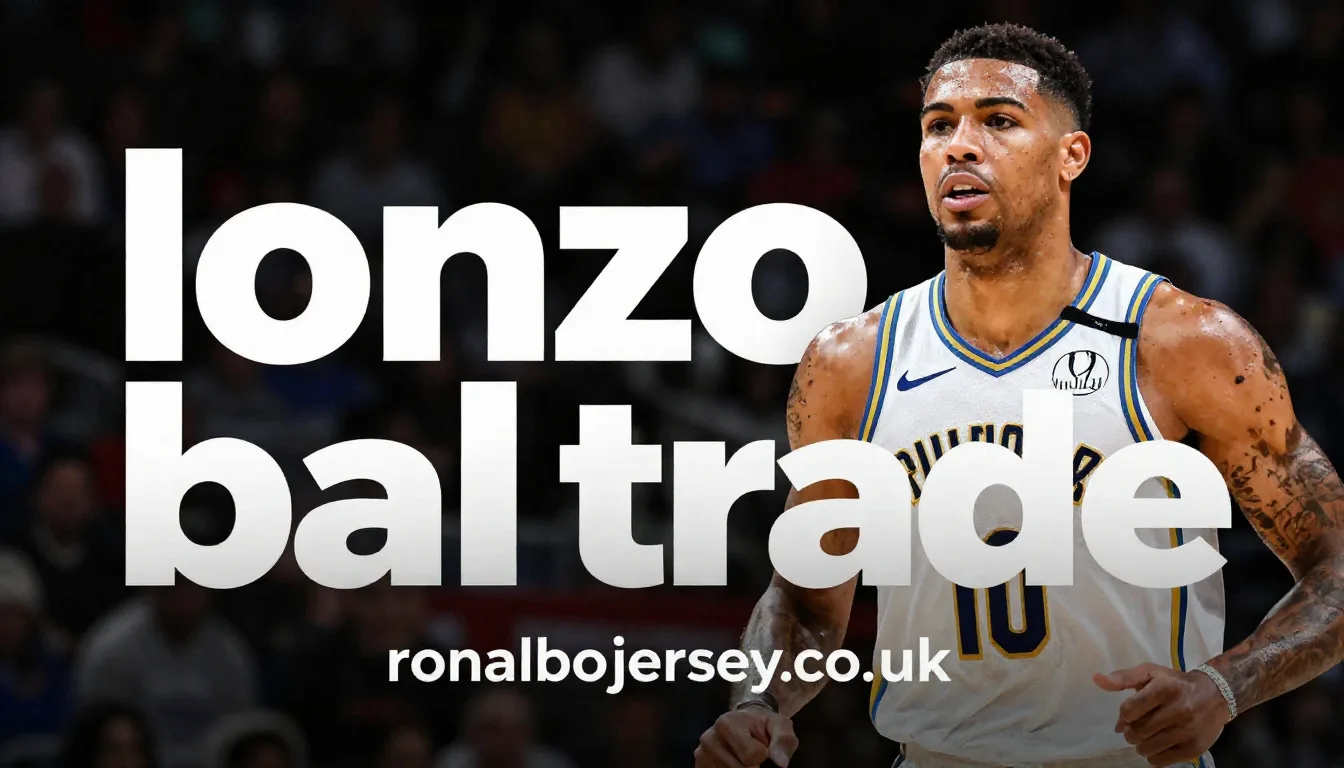
If you follow the NBA, you probably heard the buzz around the Lonzo Ball trade this year. It caught fans off guard and got everyone talking. One minute Ball was a steady rotation piece, and the next minute his name was all over trade tickers. That is exactly what the Lonzo Ball trade did. It flipped the script fast.
You are here because you want the full picture. Maybe you saw a headline and want the details. Maybe you are a fantasy manager trying to figure out what this means for your roster. Either way, this article breaks down the Lonzo Ball trade in plain language. We will cover why it happened, who was involved, when it went down, and what it means going forward. No fluff, just the facts you actually need.
Quick Summary
Here is the short version of the Lonzo Ball trade before we dig into details.
- The Cleveland Cavaliers traded Lonzo Ball to the Utah Jazz.
- The deal was a three team trade that also involved the Atlanta Hawks.
- Cleveland sent Ball and two second round picks to Utah.
- Utah then sent center Jock Landale to Atlanta as part of the same swap.
- The Jazz were expected to waive Ball soon after, making him a free agent.
- The Lonzo Ball trade happened in early February 2026.
That is the essence of the Lonzo Ball trade in a nutshell. Now let us walk through every angle so you fully understand what happened and why.
Trade Overview
The Lonzo Ball trade was not a simple one for one swap. It was a three team deal that gave every side something it wanted. Cleveland wanted cap flexibility. Utah wanted extra draft capital. Atlanta wanted a productive big man. The Lonzo Ball trade solved all three problems at once.
Cleveland had just added guards James Harden and Dennis Schroder in separate moves. That made Ball expendable on a crowded roster. So the front office moved quickly, and the Lonzo Ball trade became the mechanism to clear space and save on luxury tax.
Utah, meanwhile, was rebuilding its asset base. The Jazz picked up two second round picks in the Lonzo Ball trade, which fit their long term strategy of stockpiling draft capital. They were not necessarily building around Ball as a player. Instead, the plan was to waive him and let him hit the open market.
Atlanta rounded out the three team structure by sending cash and landing Jock Landale, a center who had been playing for Utah. In exchange, Landale left as part of the broader Lonzo Ball trade package. Every team walked away with something useful.
Key Facts Table
| Detail | Information |
|---|---|
| Trade Date | February 4, 2026 (agreed), officially completed February 5, 2026 |
| Teams Involved | Cleveland Cavaliers, Utah Jazz, Atlanta Hawks |
| Players Exchanged | Lonzo Ball (to Utah), Jock Landale (to Atlanta) |
| Draft Picks | Two 2026 second round picks (Cleveland to Utah) |
| Contract Status | Ball on final year of two year, twenty million dollar extension |
| Salary | Roughly ten to eleven million dollars for the season |
| Expected Outcome | Ball waived by Utah, becomes unrestricted free agent |
This table gives you the bones of the Lonzo Ball trade at a glance. Now let us answer the bigger questions people keep asking.
What Is the Lonzo Ball Trade?
The Lonzo Ball trade refers to the February 2026 deal that sent point guard Lonzo Ball away from the Cleveland Cavaliers. It was structured as a three team trade with the Utah Jazz and Atlanta Hawks also involved. The Lonzo Ball trade moved Ball and two second round picks to Utah, while Atlanta received center Jock Landale.
What made the Lonzo Ball trade unusual is the intent behind it. Utah never planned to keep Ball on the roster. Sources reported the Jazz would waive him shortly after acquiring him, clearing a path for Ball to sign with a team of his choosing as a free agent. This kind of setup happens sometimes in the NBA when a team wants draft assets more than it wants a specific player.
Why Was Lonzo Ball Traded?
There are a few clear reasons behind the Lonzo Ball trade. First, roster fit played a major role. Cleveland had just landed James Harden and Dennis Schroder, two experienced guards who filled the same role Ball did. With the backcourt suddenly crowded, Ball became the logical player to move.
Second, money mattered. The Lonzo Ball trade allowed Cleveland to shed salary and create real tax savings. Front offices care deeply about luxury tax thresholds, and moving Ball helped Cleveland stay under key numbers while still improving the roster elsewhere.
Third, timing lined up. The Lonzo Ball trade came just one day after Utah completed a separate blockbuster deal for Jaren Jackson Jr. That earlier trade left Utah with extra pieces to work with, including Landale, who ended up flowing into the Lonzo Ball trade as the piece sent to Atlanta.
Put simply, the Lonzo Ball trade happened because three teams each had a need the deal could solve. Cleveland needed cap room. Utah needed picks. Atlanta needed a center. The Lonzo Ball trade checked every box.
Which Team Did Lonzo Ball Join?
Technically, the Lonzo Ball trade sent him to the Utah Jazz. However, that was never expected to be a permanent home. Reports at the time made clear that Utah intended to waive Ball almost immediately after the Lonzo Ball trade became official.
Once waived, Ball was set to clear waivers and become an unrestricted free agent. That opened the door for him to sign with any team, including contenders looking for playoff tested backcourt depth. The Lonzo Ball trade essentially functioned as a release valve, letting him choose his next destination on his own terms rather than staying wherever a trade sent him.
This is a fairly common strategy in the modern NBA. Teams sometimes use a trade like the Lonzo Ball trade purely to acquire draft compensation, with no intention of keeping the player involved.
When Did the Lonzo Ball Trade Happen?

The Lonzo Ball trade was first reported on February 4, 2026. Cleveland agreed to send Ball and two second round picks to Utah that day. The deal became official on February 5, 2026, once both teams issued formal statements confirming the terms.
The timing of the Lonzo Ball trade is worth noting. It landed right in the thick of the NBA trade season, just before the league deadline. Teams often make their biggest moves in this window, and the Lonzo Ball trade fit that pattern perfectly.
What Players Were Included in the Trade?
The core of the Lonzo Ball trade involved two players changing teams.
- Lonzo Ball moved from Cleveland to Utah.
- Jock Landale moved from Utah to Atlanta.
Beyond players, the Lonzo Ball trade also included draft compensation. Cleveland sent two second round picks to Utah as part of the package. Atlanta added cash considerations to complete its end of the deal. When you add it all up, the Lonzo Ball trade touched three rosters and reshuffled depth charts across the league.
source: ESPN
How Did Lonzo Ball Get to Cleveland in the First Place?
To fully understand the Lonzo Ball trade, it helps to look back a bit. Ball arrived in Cleveland the previous offseason through a separate deal with the Chicago Bulls. Chicago sent him to Cleveland in exchange for forward Isaac Okoro. That earlier trade set the stage for everything that followed.
Ball had spent time with the Bulls after a sign and trade from New Orleans, and before that he began his career with the Los Angeles Lakers as the second overall pick in 2017. He also famously played a role in the trade that brought Anthony Davis to Los Angeles back in 2019. So by the time the Lonzo Ball trade of 2026 rolled around, Ball had already worn four different jerseys in his career.
What Does This Mean for Fantasy and Real Life Impact?
If you play fantasy basketball, the Lonzo Ball trade matters because it changes his role and his environment. A move like this often signals reduced minutes in the short term, followed by a fresh start once he signs somewhere new. Keep an eye on his next contract, since that will tell you which system he lands in.
For real teams, the Lonzo Ball trade is a reminder that value is not always about the player himself. Sometimes a trade like this is about picks, cap space, or clearing a logjam. Understanding that context helps you read future trades with a sharper eye.
Conclusion
The Lonzo Ball trade turned out to be a classic three team business move. Cleveland gained financial flexibility. Utah gained draft picks. Atlanta gained a center in Jock Landale. And Ball himself gained a path to free agency, giving him the chance to pick his next team rather than wait on one.
Trades like the Lonzo Ball trade happen every season, but this one stood out because of its layered structure and the immediate plan to waive the player involved. It shows how modern front offices think several steps ahead, using trades as tools far beyond simple player swaps.
What do you think about how the Lonzo Ball trade played out? Do you think Cleveland made the right call, or should the team have held onto him a little longer? Share your take with fellow fans, and keep watching to see where Ball signs next.
FAQs
1. What is the Lonzo Ball trade? The Lonzo Ball trade is the February 2026 deal that sent Lonzo Ball from Cleveland to Utah in a three team trade also involving Atlanta.
2. Why did Cleveland trade Lonzo Ball? Cleveland traded him mainly for cap savings after adding guards James Harden and Dennis Schroder, which made Ball’s role less necessary.
3. Did Lonzo Ball stay with the Utah Jazz? No. Utah was expected to waive him shortly after the trade, allowing him to sign elsewhere as a free agent.
4. What picks did Utah get in the Lonzo Ball trade? Utah received two second round picks from Cleveland as part of the deal.
5. Who went to Atlanta in the Lonzo Ball trade? Center Jock Landale moved from Utah to Atlanta as part of the same three team trade.
6. How much money was Lonzo Ball owed at the time of the trade? He was in the final stretch of a two year, twenty million dollar extension he had signed with Chicago.
7. How did Lonzo Ball end up in Cleveland before this trade? He arrived from Chicago in a separate trade that sent Isaac Okoro to the Bulls.
8. Was this the first trade involving Lonzo Ball? No. Ball has been traded multiple times, including deals involving the Lakers, Pelicans, and Bulls earlier in his career.
9. What does the Lonzo Ball trade mean for his career? It gives him a fresh chance to choose his next team through free agency rather than settling wherever a trade lands him.
10. When did the Lonzo Ball trade become official? It was agreed on February 4, 2026, and finalized officially on February 5, 2026.
About the Author
Sarah Mitchell is a sports writer who has covered the NBA for over six years, focusing on trade analysis, roster moves, and player development. She enjoys breaking down complex transactions into simple, reader friendly explanations that help fans keep up with the fast moving world of professional basketball.
ronaldojersey.co.uk
Email: johanharwen314@gmail.com
Author Name: Sarah Mitchell